Our Origin.A return to whenua.
The story of why Aho exists.
A return to whenua.
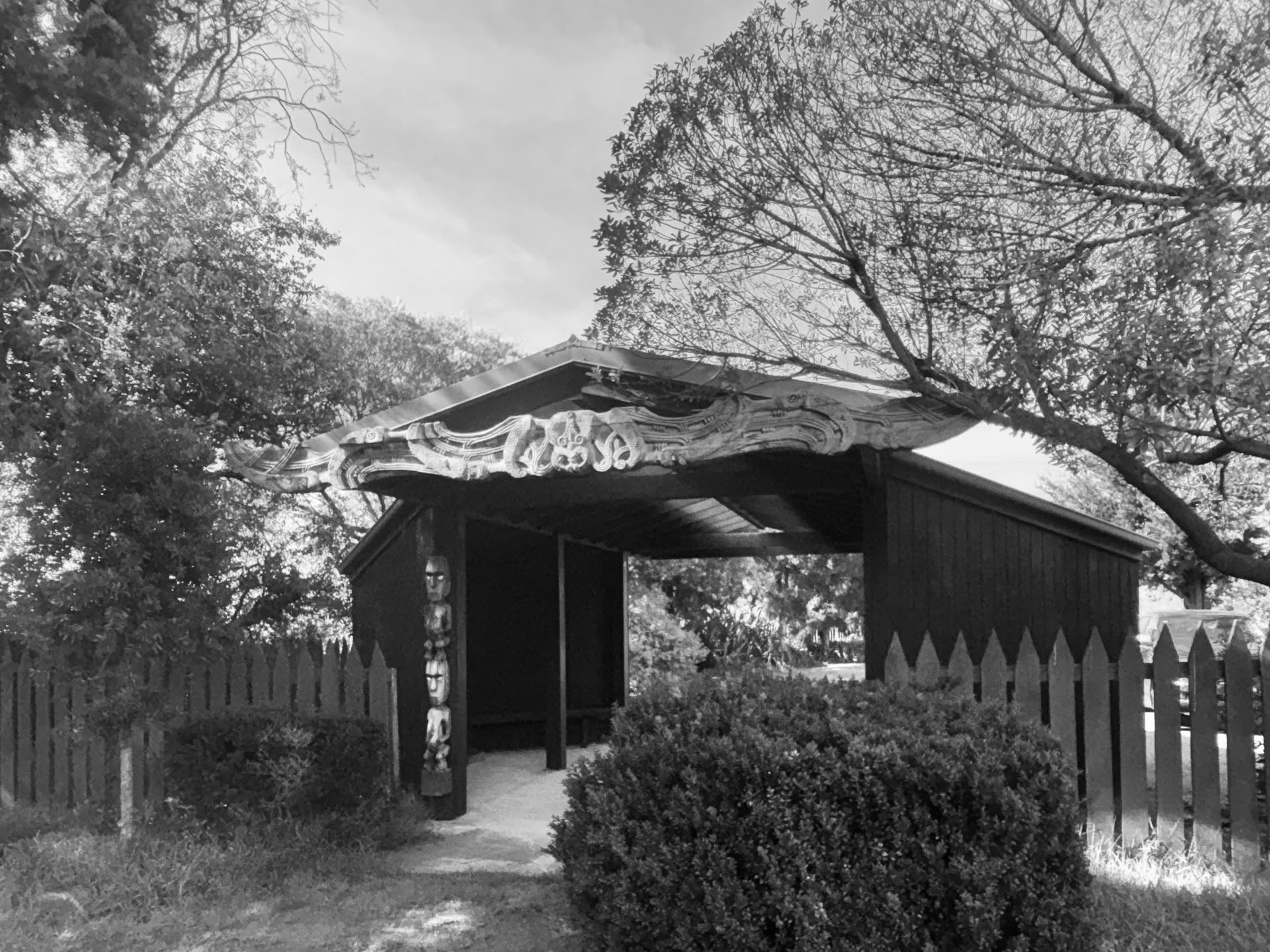
For more than five generations, the Ellison whānau have been fortunate to retain part of our tūrangawaewae, whenua that our tīpuna walked, worked and cared for before us.
But retaining whenua and being able to live from it are two different things.
Like many Māori whānau, urbanisation changed our relationship with the land.
Generations moved away from home and into larger towns and cities in search of mahi (work), education and opportunity. With fewer whānau remaining on the whenua, parts of the land entered long-term agricultural leases, some extending for more than 20 years.
The whenua remained.
But over time, much of the knowledge and experience of commercially working that whenua within our whānau was lost.
And with each generation away from home, the connection between whānau and whenua became harder to maintain.
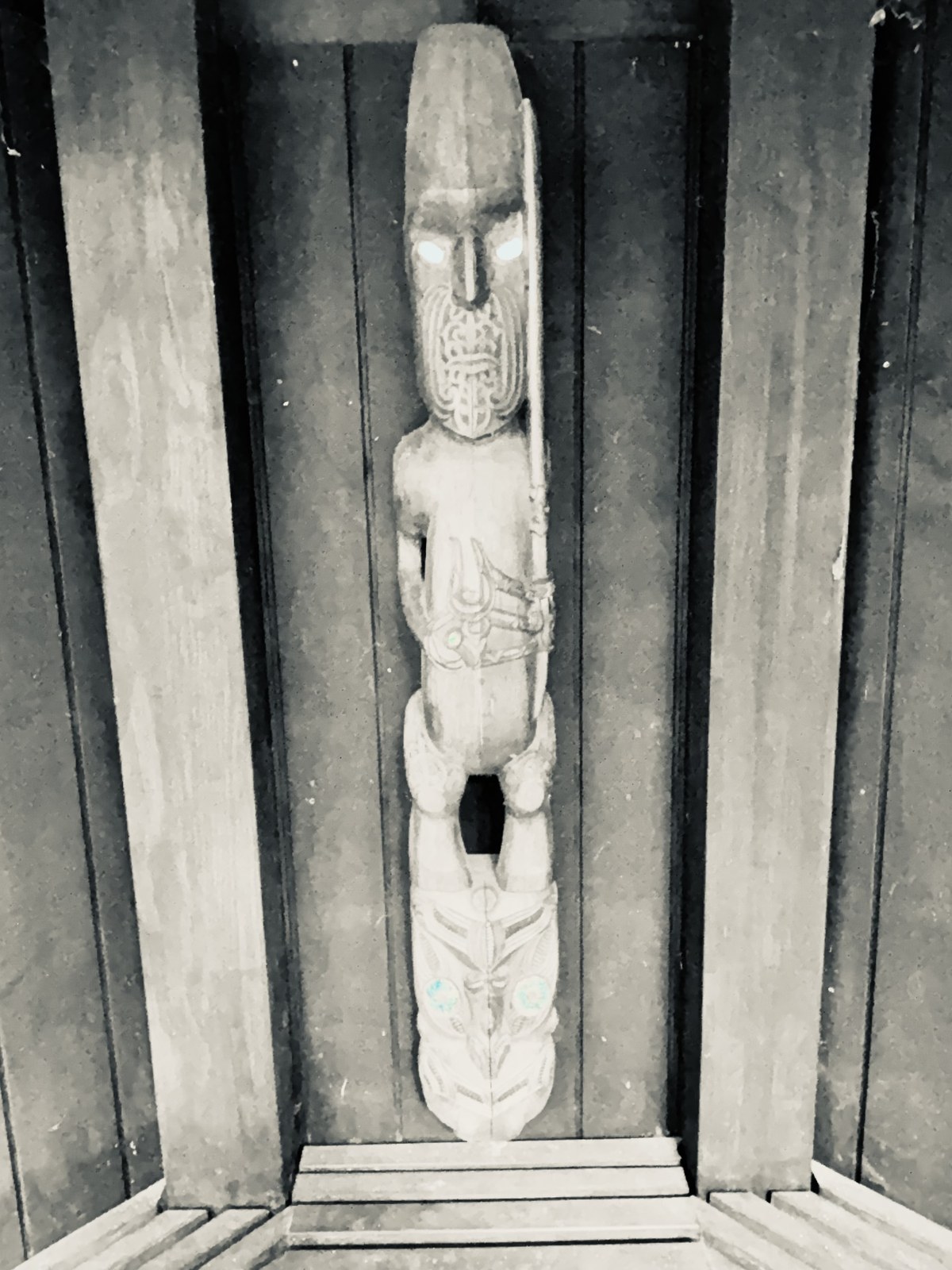
Yet the desire to return never disappeared.
The idea was simple: come home.
- People
- Land
- Knowledge
- Opportunity
- A stronger tomorrow
Aho began with a question
How do we create a commercially viable reason for our whānau to return to the whenua?
The answer couldn't simply be come home.
There needed to be meaningful mahi. There needed to be opportunity. And whatever we built needed to generate enough value from the whenua to sustain the people returning to it.
Because returning to whenua cannot survive on sentiment alone.
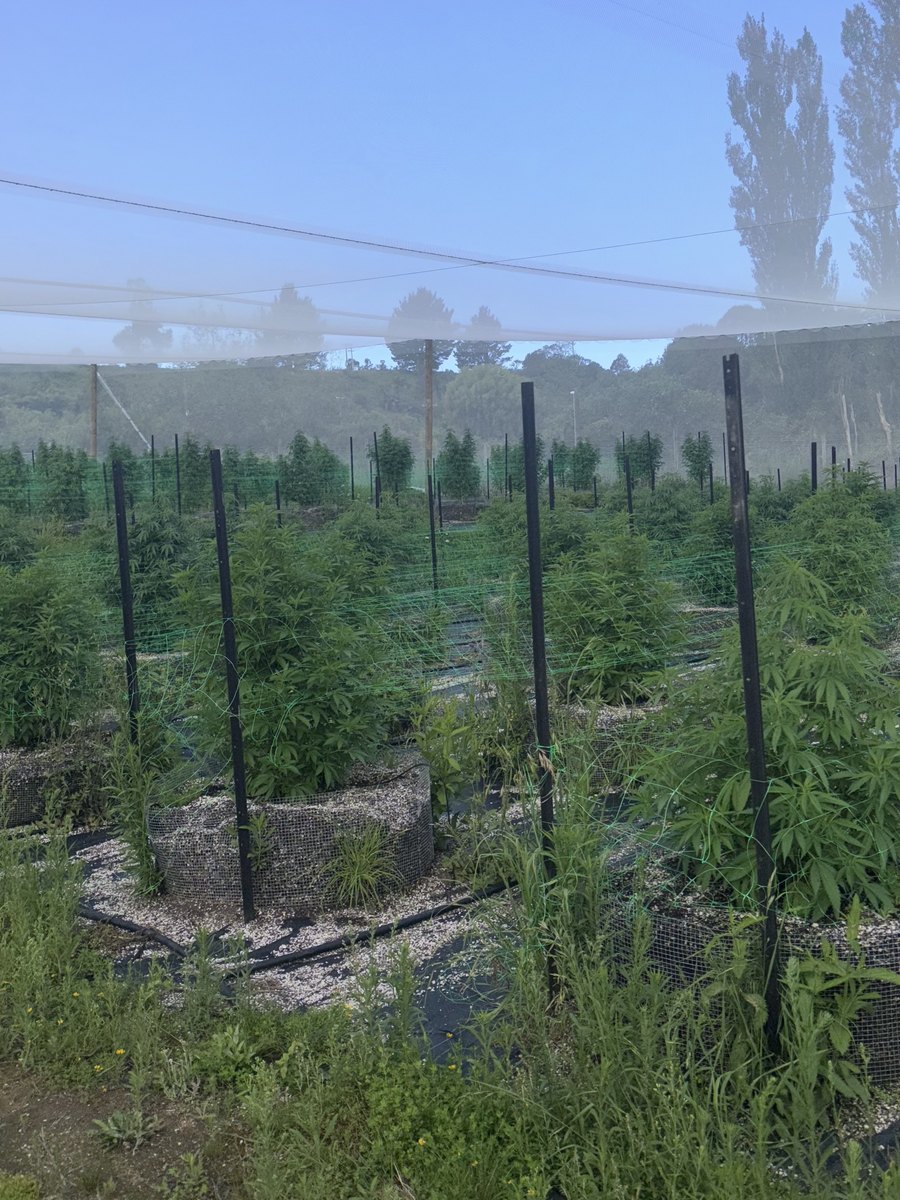
Medicinal cannabis offered a different possibility.
The challenge was finding an industry that could create meaningful economic value without requiring hundreds of hectares of land or displacing the agricultural activity already supporting the whenua.
High-value cultivation could begin on a relatively small footprint.
It meant we could establish cultivation on previously underutilised areas, prove commercial viability and create employment while allowing the majority of the whenua to continue under its existing agricultural leases.
We didn't have to choose between what the whenua was already providing and what it could become.
We could start small. We could learn. We could prove the model. And we could return.
It has to be viable. That became one of the foundations of Aho.
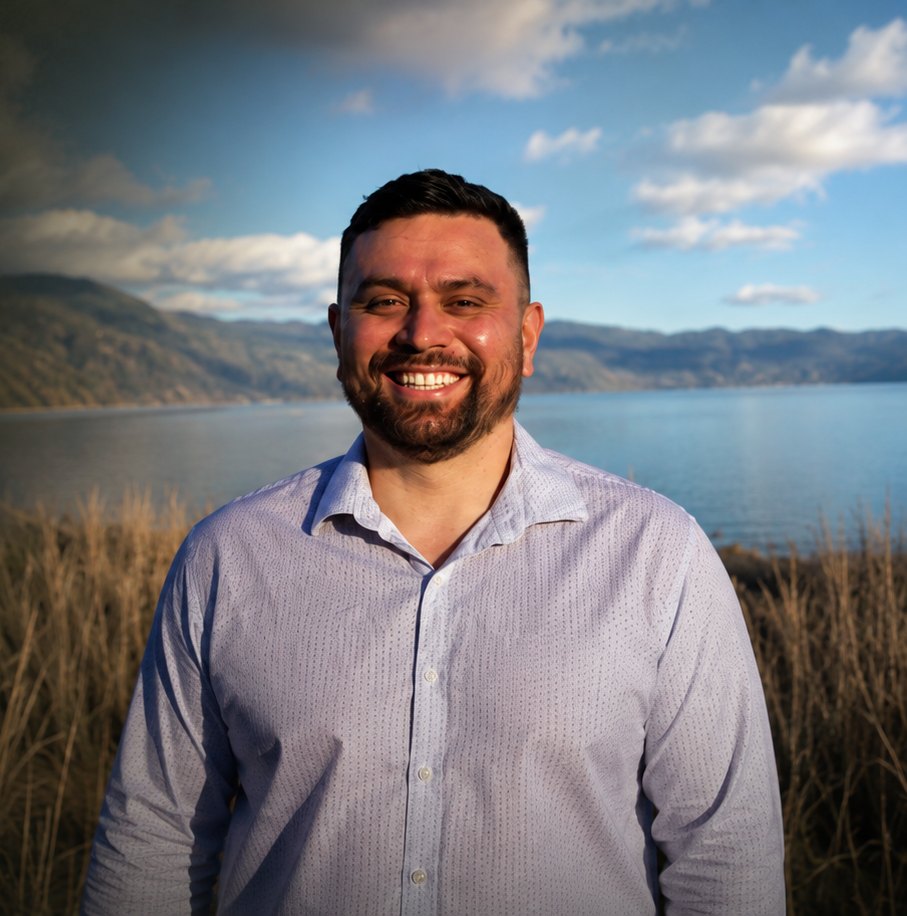

Five steps on the way to Aho

-
American football
College in the United States, and the game that took him there.
-
The injury
Three years into that journey, a serious shoulder-blade injury changed his relationship with cannabis.
What he had previously understood primarily as a recreational plant became something very different.
-
Medicine
During his recovery, he was exposed to cannabis being used in different forms, including edibles, salves and tinctures, and began to understand the plant through another lens.
-
California
That belief eventually took him into California's cannabis industry.
What followed was years of learning: cultivation, processing, genetics, commercial production and the systems required to take a plant from propagation through to a finished product.
-
Seven years
It wasn't yet Aho. But the knowledge that would eventually make Aho possible was being built.
Nearly seven years later, that knowledge came home to Aotearoa.
If this plant could help people, Māori should have access to it too.

A desire to return to whenua.
And the knowledge of an industry capable of making that return commercially possible.
Aho was born.
What began as a whānau solution became something bigger.
How can the Ellison whānau create a viable pathway back to our tūrangawaewae?
Initially, the problem we were trying to solve was our own.
But as Aho developed, we began to understand that our story wasn't unique.
Urbanisation reshaped Māori communities throughout Aotearoa.
Whānau moved toward towns and cities for employment, education and opportunity. In many cases, generations grew increasingly distant from the whenua their tīpuna had lived and worked upon.
Yet for many, something remained.
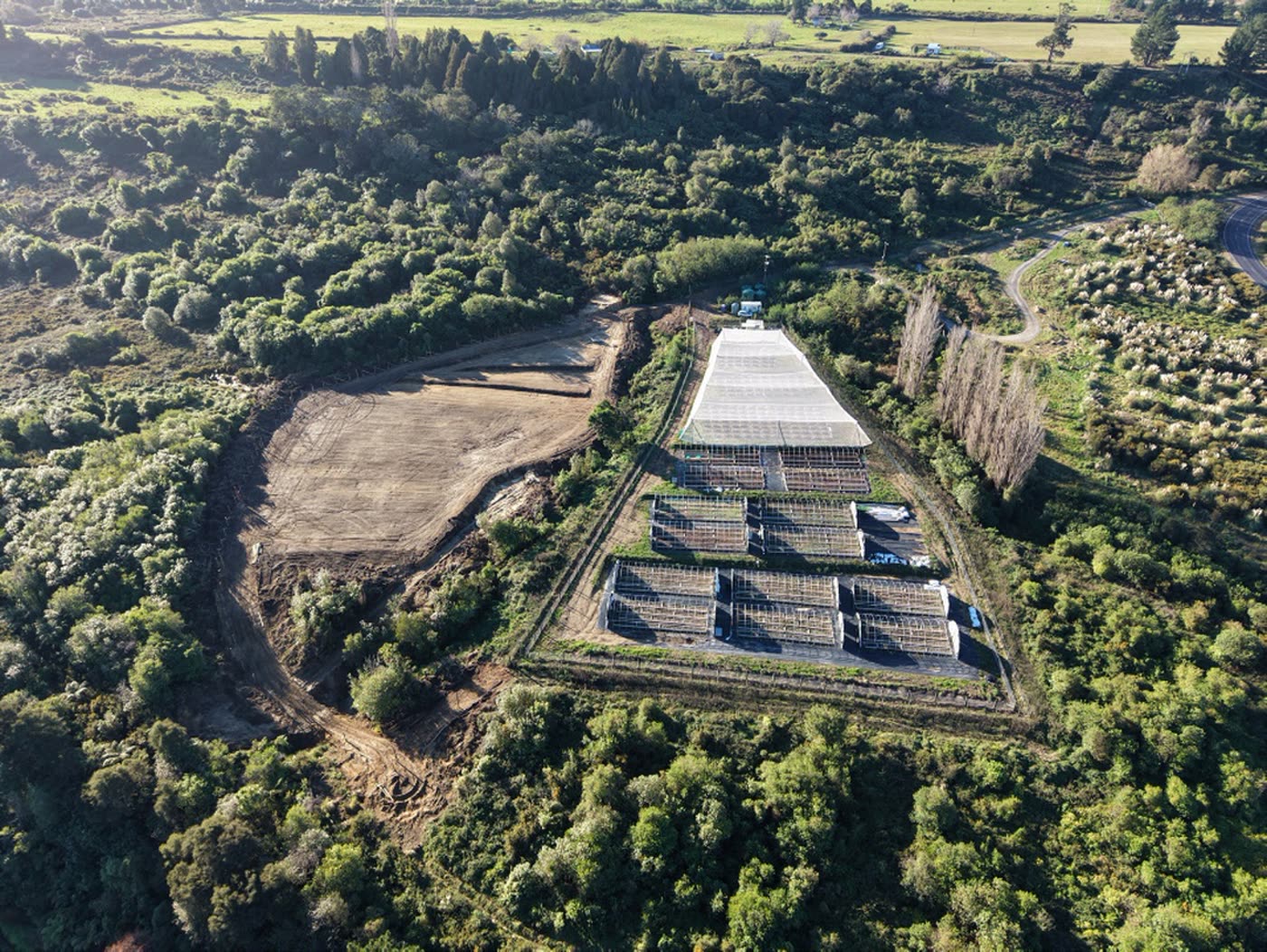
What was often missing was the economic pathway that made returning realistic.
That realisation changed the ambition of Aho.
What started as a vehicle to solve an Ellison whānau problem became something much bigger.
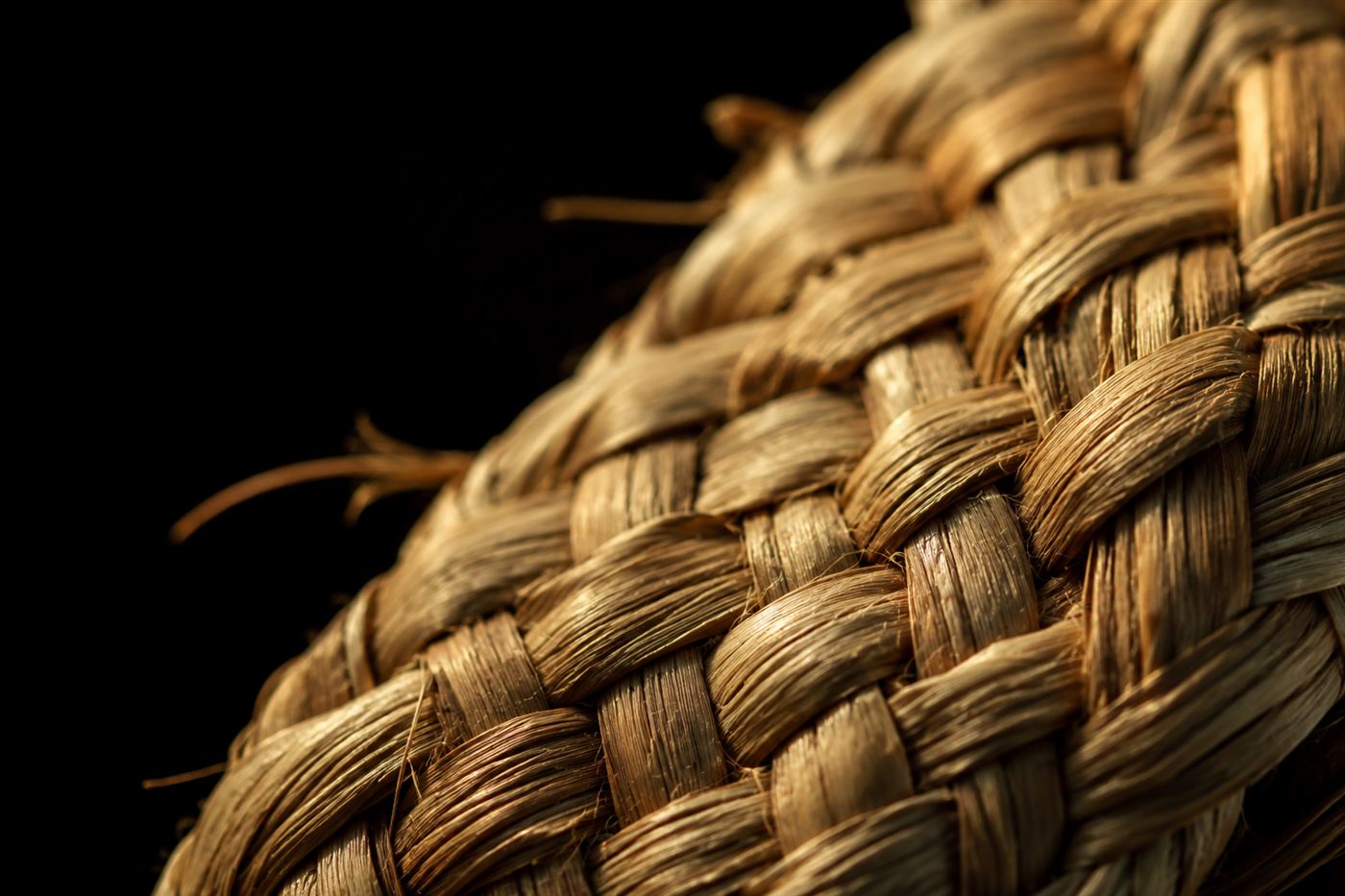
That is the thread of Aho.
Aho means thread, line or connection.
For us, that thread reaches backwards. It runs through the generations, across the Pacific, and back home. Today, we are adding another strand. And our responsibility is to make sure the thread continues forward.
- To the tīpuna who walked and worked this whenua.
- Through the generations who left home searching for opportunity.
- Across the Pacific to California, where knowledge of the plant was gained.
- And back home to Aotearoa, where that knowledge could finally be put to work on our own whenua.
- Today, we are adding another strand.Aho Farms · Hawke's Bay
- To our tamariki.
- To our mokopuna.
- And, we hope, eventually to other whānau searching for their own pathway home.